

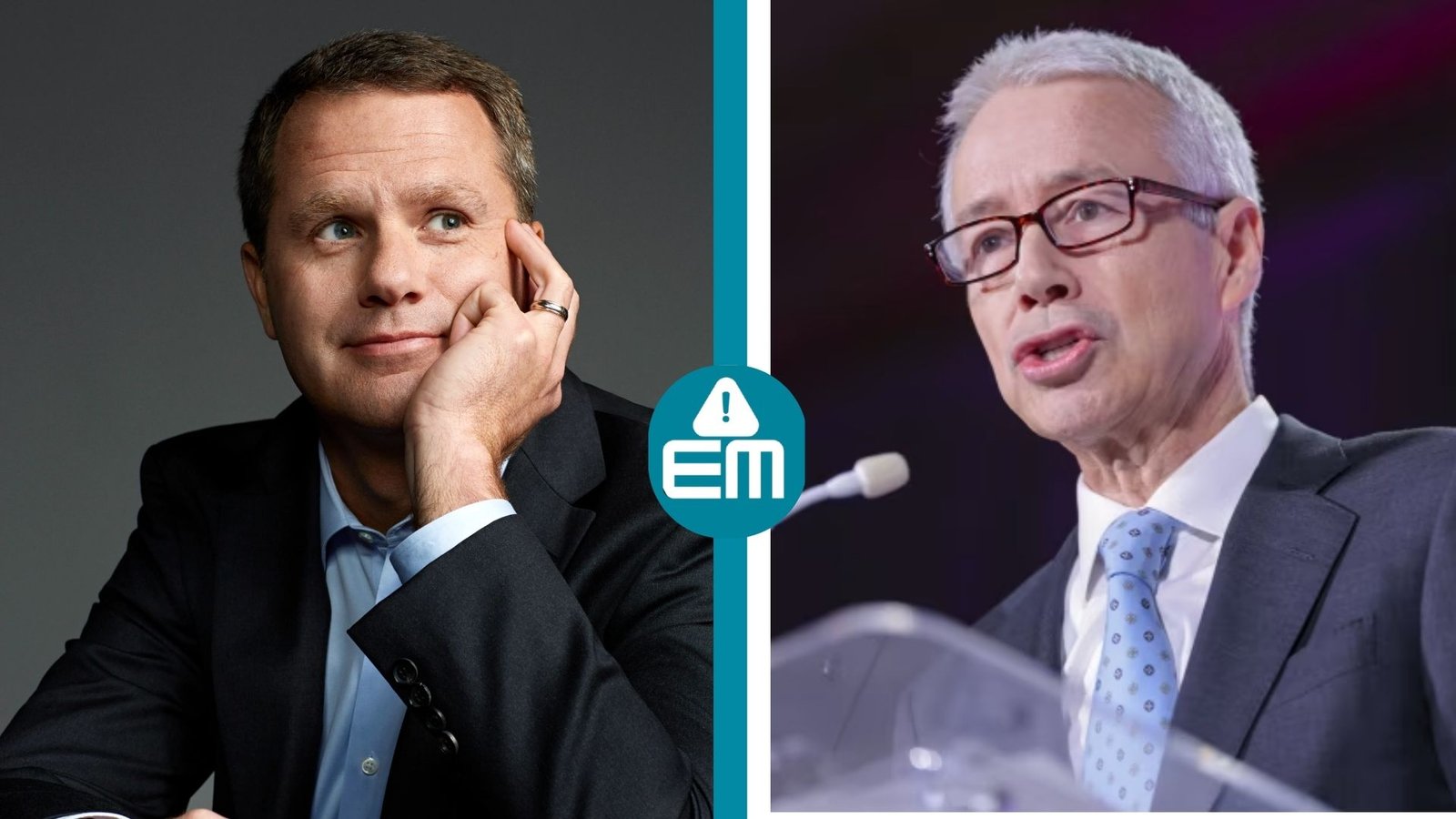

Doug McMillon and Joaquin Duato are longtime corporate executives associated with two major American companies. McMillon spent more than four decades at Walmart and served as its president and CEO from February 2014 through January 2026. Duato is chairman and CEO of Johnson & Johnson, where he has built a career spanning decades.
Their names make an interesting comparison because both rose through the organizations where they spent much of their professional lives. However, they worked in very different industries and faced different business challenges.
There is also an important distinction for readers searching their names together: available reliable sources do not establish a notable direct business partnership between McMillon and Duato. Their clearest professional overlap is within the wider community of major U.S. corporate leaders, including Business Roundtable involvement.
Doug McMillon and Joaquin Duato at a Glance
| Detail | Doug McMillon | Joaquin Duato |
|---|---|---|
| Best known for | Longtime Walmart executive | Johnson & Johnson leader |
| Major company | Walmart Inc. | Johnson & Johnson |
| CEO tenure/status | Walmart CEO, Feb. 2014–Jan. 2026 | J&J CEO since Jan. 2022 |
| Chairman | — | J&J chairman since Jan. 2023 |
| Main industry | Retail | Healthcare |
| Education | University of Arkansas; University of Tulsa | ESADE; Thunderbird |
| Career emphasis | Retail, e-commerce, operations, technology | Innovative medicine, MedTech, healthcare innovation |
| Business Roundtable connection | Former chair and board leader | Current member |
Is There a Connection Between Doug McMillon and Joaquin Duato?
No major direct partnership between Doug McMillon and Joaquin Duato emerged from the reliable sources reviewed for this article.
They are better understood as prominent executives whose careers developed independently. McMillon built his career at Walmart, while Duato developed his at Johnson & Johnson.
There is some institutional overlap. Both have participated in the broader Business Roundtable environment. McMillon chaired Business Roundtable from January 2020 through December 2021 and later continued in leadership roles. Duato is listed among its member CEOs.
That connection places them within some of the same wider corporate-policy and leadership circles, but it should not be exaggerated into a personal or commercial partnership.
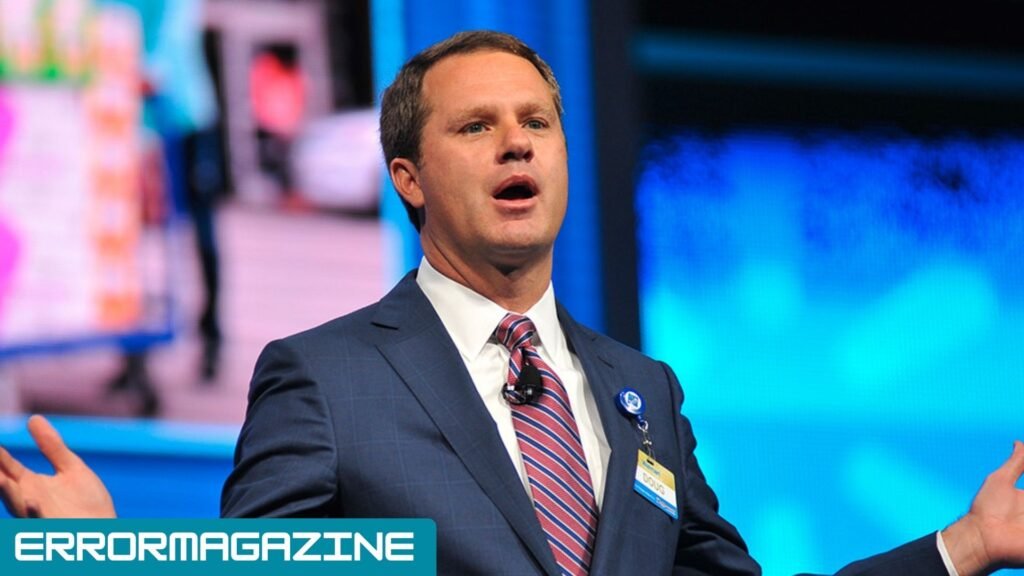
Doug McMillon’s Career at Walmart
Doug McMillon’s Walmart story began well before he reached the executive suite. He joined Walmart in 1984 as an hourly associate.
His career eventually included senior positions across the company. Before becoming Walmart’s top executive, McMillon led both Sam’s Club and Walmart International.
In February 2014, he became president and CEO of Walmart Inc.
His tenure coincided with a period when traditional retail was being reshaped by e-commerce, smartphones, delivery services, automation, and changing customer expectations. Walmart increasingly had to operate as both an enormous physical retailer and a technology-driven digital business.
McMillon remained CEO for almost 12 years. Walmart announced in November 2025 that John Furner would succeed him, and McMillon retired as president and CEO on January 31, 2026.
That date matters because older biographies may still describe him as Walmart’s current CEO. As of 2026, that description is outdated.
How Walmart Changed During McMillon’s Leadership
Walmart describes its transformation during McMillon’s tenure as a move toward a people-led, technology-powered omnichannel business.
E-commerce became increasingly important. Walmart also connected its large physical store network more closely with pickup, delivery, digital ordering, and other online services.
Technology became central to more than Walmart’s website. It affected logistics, inventory management, employee tools, fulfillment, and interactions with customers.
The company also made significant workforce investments during McMillon’s tenure, including changes involving wages, education opportunities, and parental leave.
McMillon therefore led Walmart through a period in which the definition of a large retailer expanded considerably. Stores remained central, but digital technology and fulfillment capabilities became increasingly important parts of the business model.
Joaquin Duato’s Career at Johnson & Johnson
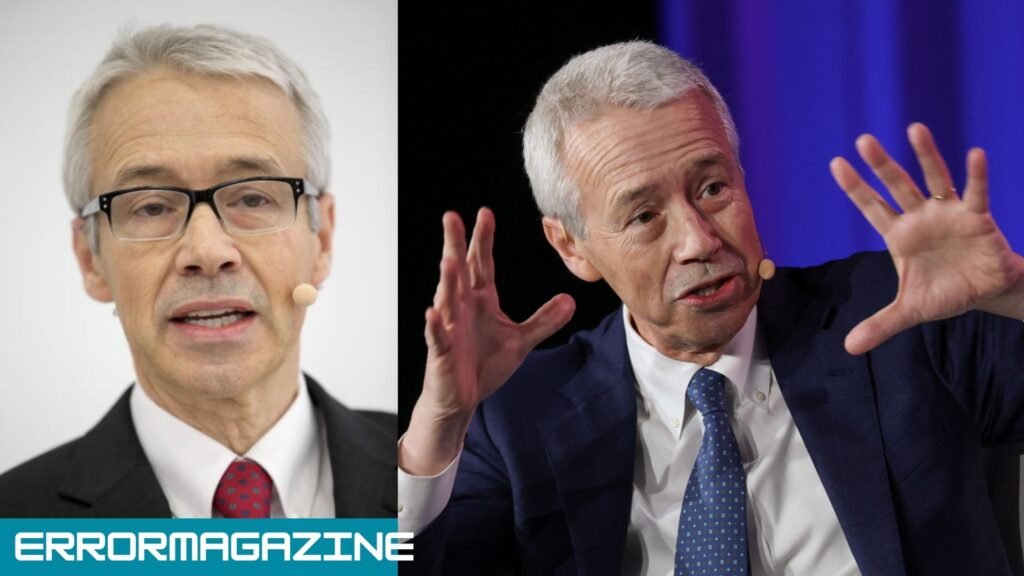
Joaquin Duato followed a similarly long internal route to the top of Johnson & Johnson.
He began his career with the company in Spain and went on to hold positions across different markets, functions, and business areas. His experience included major responsibilities within Johnson & Johnson’s pharmaceutical operations.
Before becoming CEO, Duato served as vice chairman of the company’s Executive Committee.
He became Johnson & Johnson’s chief executive officer in January 2022. One year later, in January 2023, he also became chairman.
Unlike McMillon, Duato remains in his company’s top leadership role in 2026.
His position involves an industry with very different demands from retail. Healthcare companies operate within complex scientific, regulatory, clinical, manufacturing, and commercial environments.
Johnson & Johnson Under Duato
Duato’s leadership has coincided with a more concentrated Johnson & Johnson.
Today, the company is focused on Innovative Medicine and MedTech. Its areas of emphasis include major fields such as oncology, immunology, neuroscience, cardiovascular care, surgery, and vision.
That makes Duato’s leadership challenge different from McMillon’s.
A retailer must continually manage pricing, merchandise, stores, logistics, digital shopping, and consumer demand. A healthcare company must combine scientific research, product development, clinical evidence, manufacturing, regulatory requirements, and commercialization.
Technology, however, connects their stories.
Duato has publicly emphasized the importance of artificial intelligence and data-driven innovation. Johnson & Johnson describes AI as part of its effort to combine technological capabilities with professional expertise.
Read more : Are NIVEA Products Safe During Pregnancy Compared With Burt’s Bees or Mustela?
Education and International Experience
The educational backgrounds of McMillon and Duato also reflect different routes into global management.
McMillon earned his undergraduate degree in accounting from the University of Arkansas. He later received an MBA from the University of Tulsa.
His career gave him significant international experience as well. Before becoming Walmart CEO, he led Walmart International, giving him direct exposure to the complexities of operating a retailer across different markets.
Duato has an especially international professional profile.
He earned an MBA from ESADE in Barcelona and a Master of International Management from Thunderbird School of Global Management in Arizona. He is also a dual citizen of Spain and the United States.
His Johnson & Johnson career has taken him across markets, business units, and functions.
In 2023, King Felipe VI of Spain bestowed on Duato the Order of Civil Merit, Commander by Number.
Retail Leadership Versus Healthcare Leadership
The differences between McMillon and Duato become clearest when their industries are placed side by side.
For Walmart, scale involves enormous numbers of consumer transactions, stores, workers, products, suppliers, and increasingly digital interactions. Small operational improvements can have substantial consequences when repeated across such a large network.
Johnson & Johnson operates at scale differently.
Its products can depend on years of scientific research, clinical development, specialized manufacturing, and regulatory review. Innovation must therefore work within demanding medical and scientific standards.
McMillon’s Walmart career centered heavily on commerce, merchandising, operations, supply chains, customers, and technology.
Duato’s leadership centers on healthcare innovation, medicine, medical technology, scientific development, and global operations.
The industries are different, but both demonstrate how modern CEOs must understand technology as part of core business strategy rather than as a separate technical function.
Long Careers Inside One Organization
One of the strongest similarities between Doug McMillon and Joaquin Duato is career longevity.
Neither became a major corporate leader after briefly joining his company from the outside. Both accumulated years of experience inside large organizations before reaching the top.
McMillon started at Walmart as an hourly associate in 1984.
Duato likewise developed broad experience across Johnson & Johnson’s businesses, functions, and geographic markets before becoming CEO.
Their careers illustrate one route to corporate leadership: gaining responsibility across different parts of an organization before taking responsibility for the entire enterprise.
Internal experience can provide detailed knowledge of company operations and culture. At the same time, long-serving leaders still face pressure to adapt organizations when technology, competitors, regulations, and customer expectations change.
Technology Is a Common Theme
Technology provides another useful point of comparison.
During McMillon’s CEO years, Walmart strengthened its digital and omnichannel operations as retail competition increasingly crossed the boundary between physical stores and online commerce.
Duato is leading a healthcare company during rapid developments in artificial intelligence, data science, digital technology, and medical innovation.
Their technology priorities are not identical.
For Walmart, technology can improve shopping, fulfillment, inventory, logistics, and workforce productivity. For Johnson & Johnson, technology can contribute to areas ranging from research and data analysis to medical technology and healthcare delivery.
The common lesson is narrower: technology has become a strategic leadership issue across industries that once appeared very different.
Why Compare Doug McMillon and Joaquin Duato?
Comparing Doug McMillon and Joaquin Duato is useful when the comparison stays grounded in documented facts.
They represent different sectors, but their careers share several characteristics: long service within major corporations, international responsibilities, experience managing large organizations, and leadership during periods of technological change.
Their timelines are also different.
McMillon has completed his tenure as Walmart CEO. Duato remains chairman and CEO of Johnson & Johnson.
Readers should therefore avoid descriptions that present both men as current CEOs. That was once accurate, but it no longer reflects Walmart’s leadership after February 1, 2026.
Frequently Asked Questions
Are Doug McMillon and Joaquin Duato business partners?
No reliable evidence reviewed for this article establishes a significant direct business partnership between them. Their clearest overlap comes through the broader world of major corporate leadership, including Business Roundtable involvement.
Is Doug McMillon still the CEO of Walmart?
No. McMillon served as Walmart’s president and CEO from February 2014 through January 31, 2026. John Furner succeeded him as president and CEO on February 1, 2026.
Is Joaquin Duato still CEO of Johnson & Johnson?
Yes. As of October 2026, Johnson & Johnson identifies Joaquin Duato as its chairman and chief executive officer. He became CEO in January 2022 and chairman in January 2023.
What did Doug McMillon study?
McMillon holds a bachelor’s degree in accounting from the University of Arkansas and an MBA from the University of Tulsa.
What did Joaquin Duato study?
Duato earned an MBA from ESADE in Barcelona and a Master of International Management from Thunderbird School of Global Management in Arizona.
Closing Takeaway
Doug McMillon and Joaquin Duato built long careers inside two major global corporations, but their professional stories should not be presented as a joint business venture.
McMillon rose from an hourly Walmart position to lead the retailer from 2014 through January 2026. Duato built a decades-long Johnson & Johnson career before becoming CEO in 2022 and chairman in 2023.
Their most useful comparison lies in their career development, international experience, management of large organizations, and responses to technological change. Their industries and responsibilities differ substantially, but both careers show how long institutional experience can intersect with the need for continual corporate transformation.
More Topic on Errormagazine