

Picture two stalls at a weekend market. Both sell plain gray hoodies, and both charge about the same price. One stall has a hand-painted sign, a neat label inside every hoodie, and paper bags stamped with a little fox. The other has a pile of hoodies on a table. Which stall do you think sells out first?
Most people pick the first one, and they are right. The hoodies are the same, but the first stall gave shoppers something to remember. That something is called branding. In this post, you will learn why clothing and apparel outlets need it in three places: retail, wholesale, and merchandise. Each one needs a slightly different kind of care.
What Branding Really Means For An Outlet
An outlet is any business that sells clothes. It could be a shop on a busy street, a website, a market stall, or a company that supplies other stores. Whatever the size, every outlet is saying something to people, even when it says nothing on purpose.
A brand is the way you choose to say it. It includes your name, your colors, your tags, your packages, and the way you talk to customers. Think of it like a school uniform for your business. When everyone wears the same uniform, you can spot the team from across the field.
Without branding, the clothes have to do all the talking, and clothes alone are quiet. A shirt cannot tell a shopper that a small team sewed it with care. A brand can.
Retail: Winning The Shopper Who Is Holding Your Shirt
Retail means selling straight to the person who will wear the clothes. The first few seconds matter most here. A shopper walks by a rack, touches a sleeve, and turns the item over. In that moment, they quietly ask, “Is this worth it?”
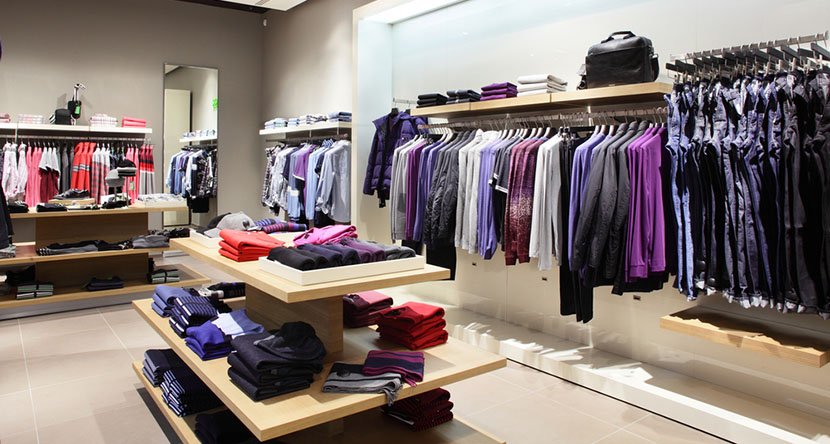
Branding helps the answer be yes. Think about everything a shopper sees and touches: the shop sign, the color of the walls, the way shirts are folded, the bag at the checkout, and the small tag dangling from the sleeve.
That tag is one of the smartest branding tools in retail because almost everyone checks it. People want to see the price and size, so they pick it up. A clever outlet uses that moment. For branding, many shops attach custom hang tags with string to jackets, dresses, and jeans, with the logo on the front and a short brand line on the back. The string makes the tag feel like part of the clothing, not a sticker, and it gives shoppers something to keep.
Colors matter too. A calm blue tells shoppers the shop is steady and trustworthy, while bright yellow feels cheerful. Pick colors that match your personality, then use them every time.
Branding also helps a shop earn fair prices. Two shirts can cost the same to make, but the one that looks cared for feels worth more. And when a customer loves how a pair of pants fits, a clear brand name gives them something to search for next time.
Online shops need this too. A shopper scrolling on a phone cannot touch the cloth, so the logo, photos, and packaging must work harder to build trust.
Wholesale: Winning The Store Owner Who Buys By The Box
Wholesale means selling large amounts to other stores. Here, your customer is not someone trying on a shirt. It is a store owner who must fill shelves and keep shoppers happy.
Store owners ask different questions. Will my shoppers know this brand? Will the clothes arrive neat and ready to sell? Can I trust this supplier next month? Branding helps answer all three. When clothes show up with matching labels, clean tags, and clear sizes, the owner can put them on the rack right away. That saves time, and time is money in a store.
A known brand also sells faster. If shoppers already like your name, the owner has less work to do, because the brand does some of the selling.
This is why many suppliers order custom clothing tags wholesale in big batches; buying in bulk keeps the cost per tag low, and it makes sure every piece in a shipment looks alike, from the first shirt in the box to the five-hundredth. Matching tags tell a store owner that the maker is organized. A mix of random tags can make even good clothes look messy.
Clear branding also helps with reorders. When a store sells out of your jackets, the owner can find you again with one name, one logo, and one catalog.
Simple, steady brands are easier to remember, too. If your catalog, boxes, and tags share the same colors, a buyer will spot you faster in a crowded trade show hall.
Merchandise: When Fans Become Walking Billboards
Merchandise, often called merch, is clothing made for a team, a band, a school, a game, or a business. Think of a soccer club scarf or a cap from the local pizza shop. People do not buy these only for the cloth. They buy them to show where they belong.
Here, branding is the whole point. A merch hoodie with no clear logo is just a hoodie. With one, the wearer becomes a walking sign. Every time they wear it at the park or the mall, strangers see the name. That is free advertising that lasts as long as the shirt does.
Merch also builds a feeling of belonging. A fan in a team shirt feels connected to other fans. A cafe that gives staff matching shirts makes them feel like one crew. The best designs are bold, simple, and easy to read from far away. Too many words or colors make a design hard to notice.
Some outlets release limited designs, like a special summer color that is only sold for one month. Limited runs make fans feel special, and they give people a reason to buy quickly.
Quality counts too. If a merch shirt shrinks after one wash, the fan feels let down, and that feeling sticks to the brand. Soft fabric, tight stitching, and a print that lasts keep people proud to wear it.
One Brand, Three Doors
Retail, wholesale, and merchandise are like three doors into the same house. People enter through different doors, but they should find the same rooms and the same welcome inside.
That is the real secret. Your shopper, your store buyer, and your merch fan should all feel they met the same brand. Use the same logo, the same two or three colors, and the same friendly voice. If your shop sign is playful but your wholesale catalog is stiff and dull, buyers feel confused, and confused people hesitate.
Many outlets keep a one-page brand sheet. It lists the logo, the colors, the fonts, and a few words about the brand’s voice. Anyone who makes a tag, a bag, or a poster can follow it, so nothing looks out of place.
A Quick Brand Check You Can Do Today
You do not need a big budget to see how your brand is doing. Try this simple test.
- Line it up. Place one tag, one package, and one social media post side by side. Do they look like cousins?
- Ask a friend. Show your logo for five seconds, then ask for three words that come to mind. Do they match the feeling you want?
- Walk through each door. Look at your brand once as a shopper, once as a store owner, and once as a fan. Does anything feel off?
- Fix one thing. Pick the weakest spot and improve it this week.
Back To The Market
At the market, the stall with the fox bags did not win because its hoodies were better. It won because it gave people a reason to remember, trust, and return. Retail shoppers, wholesale buyers, and merch fans all want the same thing in the end: to know who they are buying from.
So before you print your next label or order your next batch of tags, ask one question: if a stranger saw only this, would they know who we are? If the answer is yes, your brand is already working for you.