


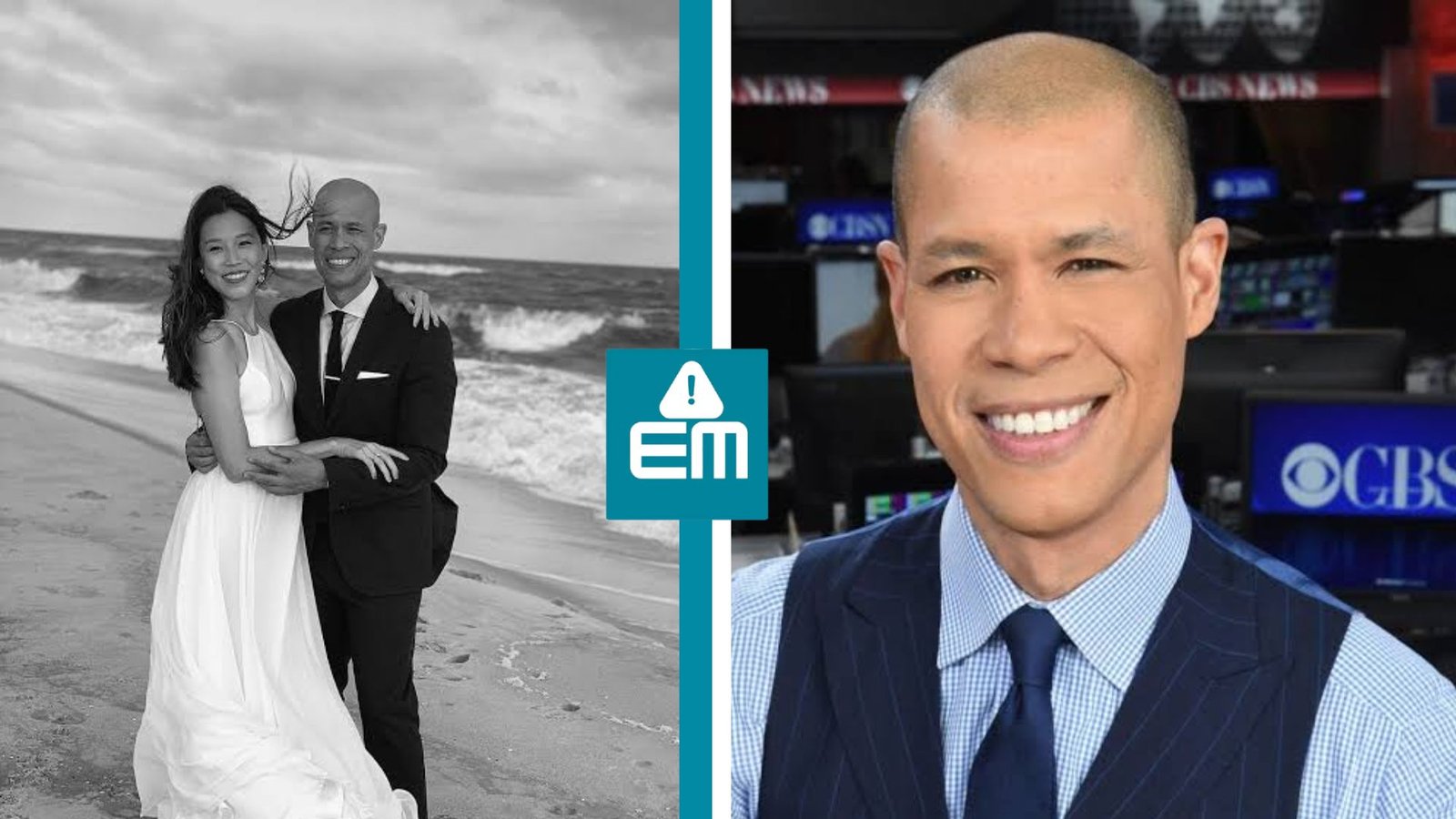

Vladimir Duthiers’ net worth is not publicly verified. The reliable sources reviewed for this article document his broadcasting career and earlier work in investment management, but they do not establish a dependable figure for his personal wealth.
His career offers useful context for readers interested in his earnings. However, calculating his current net worth would require financial information that his professional biographies do not provide, including the value of his assets and outstanding debts.
What Is Known About Vladimir Duthiers’ CBS Salary?
Duthiers’ current CBS salary is not publicly verified in the sources reviewed. CBS identifies him as a featured host of CBS Mornings and a CBS News 24/7 anchor.
Those positions establish his professional responsibilities. They do not reveal his contract value, bonuses, benefits, or total annual compensation.
Using another presenter’s reported salary would not solve that information gap. Different contracts can cover different duties, and a colleague’s earnings cannot establish what Duthiers receives.
It is also important to distinguish salary from net worth. Salary measures employment income over a period, while net worth measures the value of someone’s assets after subtracting their liabilities.
What Did He Earn Before Becoming a Journalist?
Duthiers had a substantial finance career before entering television news. According to his University of Rhode Island biography, he spent 18 years in investment management and reached managing director level.
A 2024 Los Angeles Times profile reported that he previously earned a mid-six-figure income at AllianceBernstein.
That historical earnings report provides more concrete financial context than an unsupported celebrity wealth estimate. Nevertheless, it does not establish how much he saved, invested, spent, or retained after leaving the industry.
His university biography also describes work leading investment initiatives for clients in 21 countries. Managing clients’ investments, however, does not mean those investments belonged to him personally.
This distinction matters when reading accounts of his Wall Street background. The scale of a financial professional’s work cannot serve as a substitute for evidence of their own assets.
His Move to Journalism Included an Unpaid Internship
Duthiers did not move directly from investment management into a senior television role. In his 2017 University of Rhode Island commencement address, he described beginning an unpaid CNN internship in 2009 before becoming a production assistant.
He also explained that he returned to education to study journalism while pursuing the career change. His university biography confirms a bachelor’s degree in political science from Rhode Island and a master’s degree in journalism from Columbia University.
These details show why a simple calculation based on decades of uninterrupted senior-level pay would be misleading. His working life included a change of industry and a return to entry-level newsroom work.
In the same commencement address, Duthiers said he became an on-air CNN correspondent in October 2011. His progression therefore involved several different roles, rather than one continuous salary level.
How His Broadcasting Career Developed
Duthiers’ documented journalism career includes production, international reporting, and presenting. The University of Rhode Island records his work on Amanpour and Anderson Cooper 360°, followed by an international correspondent assignment based in Lagos, Nigeria.
He also contributed to CNN’s Emmy-winning coverage of the 2010 Haiti earthquake. His reporting on the schoolgirls kidnapped by Boko Haram received Peabody recognition.
Duthiers joined CBS News in 2014. His university profile also records his involvement with CBSN when the streaming network launched that November.
These milestones explain the development of his broadcasting career. They do not provide a financial value for awards, promotions, or individual assignments, so attaching assumed earnings to each achievement would introduce unsupported figures.
Why Online Net-Worth Estimates Need Better Evidence
A credible net-worth estimate needs an identifiable basis: documented ownership, reasonably supported asset values, and information about liabilities. A job title and a long career cannot supply those figures on their own.
Even a verified historical salary leaves important questions unanswered. Taxes, living costs, borrowing, investment performance, and changes in employment can all affect how much wealth someone retains.
Readers comparing journalists’ financial profiles can see a related evidence gap in Error Magazine’s discussion of Lydia Moynihan’s income and net-worth claims. That article distinguishes her documented employment from financial estimates unsupported by disclosed assets and liabilities.
For Duthiers, the missing information is specific: a reliable account of his current assets, debts, and compensation. Until that evidence becomes available, publishing a precise fortune—or presenting a speculative range as established wealth—would go beyond what the sources support.