


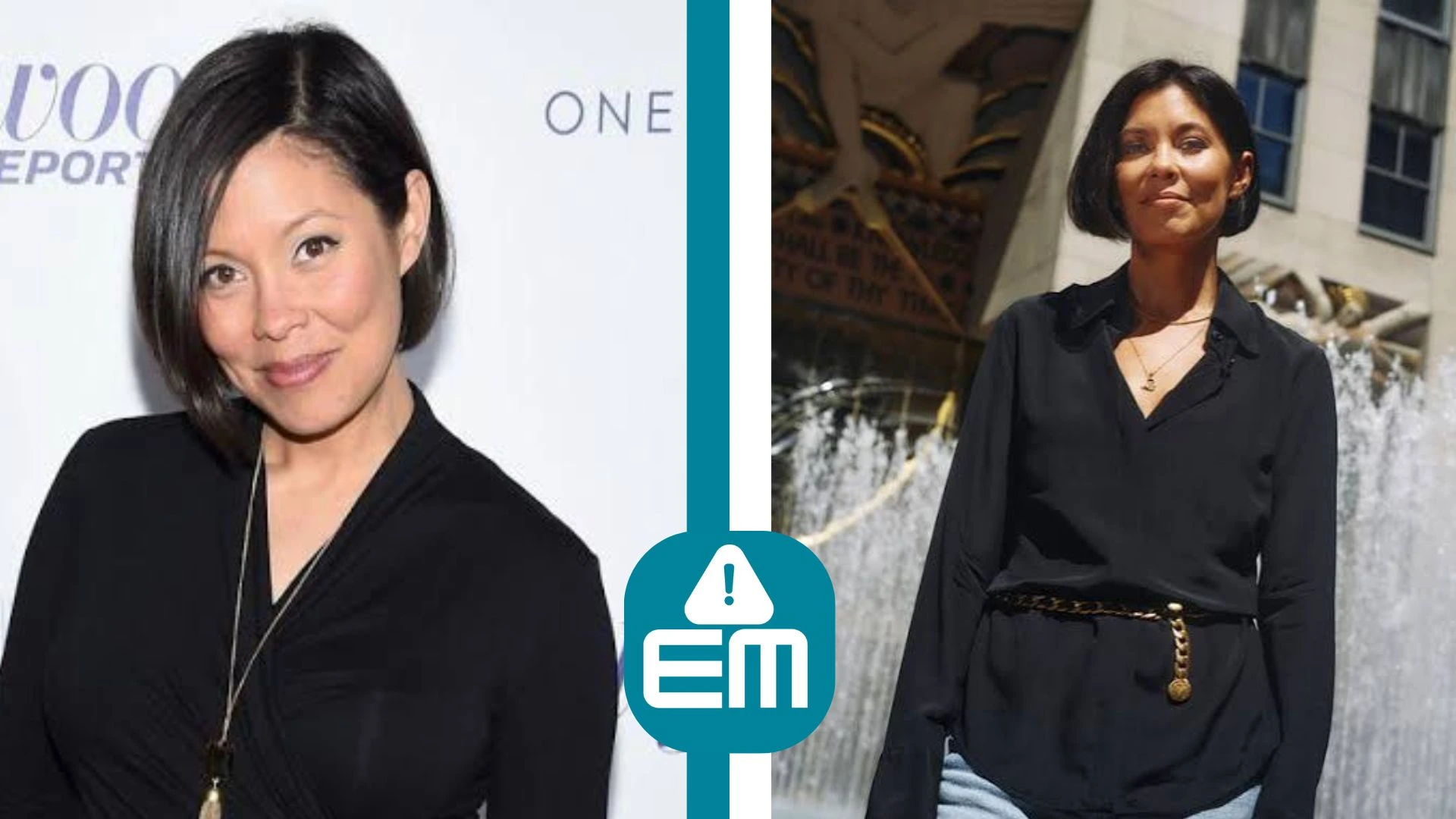

A name connected to one of the most respected diplomatic families in modern Myanmar history, Tin Swe Thant has attracted interest because of her connection to public service, education, and a legacy shaped by international affairs. While she has remained largely away from the spotlight, her background has drawn attention from people interested in learning more about influential figures connected to global diplomacy.
Unlike many public figures whose lives are documented through frequent interviews and media appearances, much of her story reflects a quieter path. Her identity is often discussed in relation to her family history, especially her connection to a major political and diplomatic figure, rather than through a highly public career.
Tin Swe Thant represents a different type of public-interest figure. Her story is not built around entertainment or personal publicity, but around heritage, education, and the responsibilities that often come with being part of a prominent family.
Early Life and Family Background
Tin Swe Thant was born into a family connected to Myanmar’s diplomatic and political history. Her background has been shaped by an environment where international relations, education, and public service were important parts of daily life.
Her family connection brought her into public awareness, but she has generally maintained a private lifestyle. Furthermore, available information about her early years remains limited because she has not built a public career based on media exposure.
Growing up in a family associated with diplomacy often means experiencing different cultures, languages, and social environments. These experiences can influence personal development, especially for individuals who spend parts of their lives connected to international communities.
A Family Linked to Diplomacy
Tin Swe Thant is widely recognised as the daughter of U Thant, the Burmese diplomat who served as the third Secretary-General of the United Nations from 1961 to 1971. His leadership at the United Nations placed him among the most notable Asian diplomats of the twentieth century.
| Category | Information |
|---|---|
| Full name | Tin Swe Thant |
| Known for | Family connection to diplomat U Thant |
| Father | U Thant, former United Nations Secretary-General |
| Public profile | Primarily known through family and historical connections |
U Thant’s international role created a unique family environment. His work required extensive travel, communication with world leaders, and involvement in major global events during the Cold War period.
Moreover, being part of such a household likely provided exposure to international discussions and diverse cultural experiences. However, Tin Swe Thant herself has remained outside the centre of political attention.
Connection to U Thant’s Historic Legacy
The strongest public connection associated with Tin Swe Thant is her relationship with U Thant, whose career remains an important chapter in United Nations history.
U Thant became Secretary-General during a challenging period marked by international tensions, including conflicts involving major world powers. According to the United Nations’ historical records, his leadership focused on diplomacy, peace efforts, and communication between nations.
His tenure included some of the most difficult moments of twentieth-century international politics. Consequently, his family name continues to attract historical interest decades after his time in office ended.
Tin Swe Thant’s connection to this legacy has made her part of discussions surrounding U Thant’s personal history. Nevertheless, she has maintained a lower public profile compared with many relatives of internationally recognised figures.
Preserving a Diplomatic Heritage
Families connected to major historical figures often become guardians of personal memories, documents, and stories. In many cases, their role involves preserving history rather than seeking personal recognition.
Additionally, U Thant’s legacy continues through institutions, historical research, and public discussions about diplomacy. Tin Swe Thant’s place in this story comes primarily from her family connection and the historical importance of her father’s work.
| Timeline | Historical milestone |
|---|---|
| 1961 | U Thant became Secretary-General of the United Nations |
| 1961 to 1971 | U Thant served two terms leading the United Nations |
| 1974 | U Thant passed away in New York |
| Later years | His diplomatic contributions continued to be studied internationally |
Education and Personal Journey
Details about Tin Swe Thant’s education and professional journey are not widely documented in major public records. This limited information reflects her preference for maintaining privacy rather than pursuing a highly visible public role.
Furthermore, many individuals connected to historical personalities choose careers and lifestyles separate from their family’s public identity. Their contributions may not always receive the same level of media attention, but they remain meaningful within personal and historical contexts.
A person’s public recognition is not always measured by media appearances or public achievements. In Tin Swe Thant’s case, interest has largely developed because of her family history and the lasting influence of her father’s diplomatic career.
However, without extensive public records, it is important to avoid assumptions about her private choices, professional activities, or personal interests.
Public Interest and Media Attention
Interest in Tin Swe Thant has continued because U Thant remains an influential figure in discussions about international diplomacy. People researching his life often seek information about his family and personal background.
Moreover, historical figures connected to global institutions frequently generate curiosity about their families. This interest is especially common when a person’s relative played a significant role on the world stage.
Unlike celebrities who regularly share personal updates, Tin Swe Thant has not maintained a public image based on interviews, entertainment appearances, or social media activity. Therefore, much of the available information focuses on historical connections rather than personal details.
The absence of frequent media coverage does not reduce the importance of understanding her place in a larger historical story. Instead, it highlights how some individuals remain connected to history without actively seeking public attention.
Personal Life and Privacy
Tin Swe Thant has kept much of her personal life away from public discussion. As a result, reliable information about her private relationships, daily activities, and personal choices is limited.
Tin Swe Thant keeps her personal life private and has not publicly confirmed any relationship as of 2026.
Furthermore, respecting privacy is especially important when discussing individuals who are known primarily through family connections rather than their own public careers. Speculation about private matters can create inaccurate impressions and distract from verified information.
The available facts about her are mainly connected to her family background and the historical importance of U Thant’s diplomatic service. Consequently, responsible reporting focuses on those confirmed details.
Legacy and Historical Importance
Although Tin Swe Thant has not pursued a highly public role, her connection to one of Myanmar’s most internationally recognised diplomats ensures continued historical interest.
U Thant’s work at the United Nations remains an important example of diplomatic leadership during a complex era. His efforts in international communication and conflict management continue to be discussed by historians and researchers.
Additionally, family members of historical figures often play a role in keeping memories alive. Through archives, public discussions, and historical interest, the stories surrounding influential individuals continue across generations.
The interest surrounding Tin Swe Thant is therefore connected less to fame and more to history. Her story provides another perspective on the personal side of a figure who shaped international diplomacy.
Frequently Asked Questions
Who is Tin Swe Thant?
Tin Swe Thant is known primarily as the daughter of U Thant, the former Secretary-General of the United Nations who served from 1961 to 1971.
Why is Tin Swe Thant known publicly?
She is known because of her connection to U Thant and the historical importance of her family’s diplomatic background.
Did Tin Swe Thant work in politics?
Publicly available information does not show that she held a major political role or became a prominent political figure.
Is there detailed information about Tin Swe Thant’s personal life?
No, much of her personal life remains private, and only limited verified information is publicly available.
Conclusion
Tin Swe Thant’s story reflects a quieter connection to one of the most important diplomatic figures of the twentieth century. While she has remained outside the public spotlight, her family background continues to attract interest because of U Thant’s lasting influence on global diplomacy.
Rather than focusing on speculation, her story is best understood through verified history, family heritage, and the importance of preserving diplomatic legacies. Tin Swe Thant remains connected to a chapter of international history that continues to be studied and remembered.