


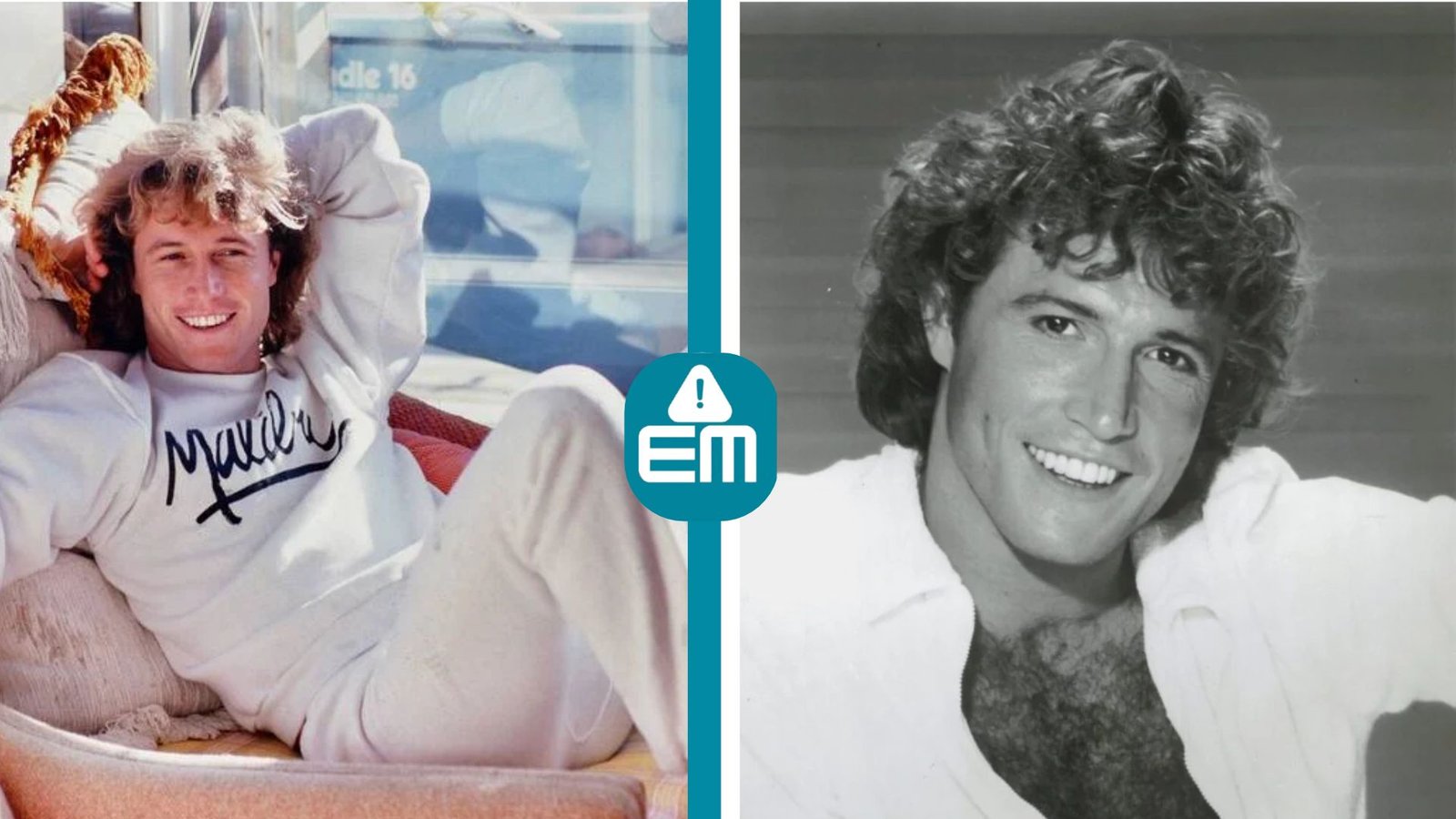

Andy Gibb died on March 10, 1988, at the age of 30. His cause of death was myocarditis, an inflammation of the heart muscle.
The youngest Gibb brother had been preparing to return to recording when he became ill. Although his history of addiction shaped early coverage, contemporary reporting of the hospital’s findings identified natural causes rather than a drug overdose.
What Was Andy Gibb’s Cause of Death?
According to Biography.com, Andy Gibb’s cause of death was myocarditis. Contemporary United Press International reporting described heart inflammation, with a virus considered the probable cause.
That distinction matters. The reported diagnosis identifies the condition that caused his death, while the suspected virus explains what may have triggered it. The sources reviewed do not establish a particular virus.
Calling his death simply a “heart attack” also loses the medical distinction. Myocarditis concerns inflammation of the heart muscle; it should not automatically be substituted with another diagnosis.
When and Where Did Andy Gibb Die?
Andy Gibb died in Oxford, England, on March 10, 1988. Born on March 5, 1958, he had turned 30 just five days earlier.
He was receiving care at John Radcliffe Hospital. News coverage published immediately after his death initially described the cause as unknown, before subsequent reports carried the hospital’s post-mortem findings.
This sequence helps explain why some accounts contain different information. An early report of an undisclosed illness reflects what journalists knew at that moment, rather than a competing medical conclusion.
What Is Myocarditis?
Myocarditis is inflammation of the heart muscle. It can affect the heart’s ability to function and may interfere with its normal rhythm.
The National Heart, Lung, and Blood Institute explains that the condition can lead to heart failure or rhythm disturbances. Symptoms vary and may include chest pain, tiredness, breathing difficulties and an abnormal heartbeat.
However, general information about myocarditis cannot establish every detail of Gibb’s illness. It explains the condition, while the contemporary hospital reporting provides the evidence about his individual case.
Andy Gibb’s Final Days: A Short Timeline
Gibb became ill shortly after his 30th birthday and entered hospital before his death. Contemporary reporting described stomach pains, while HISTORY’s later account mentions chest and abdominal pain.
These accounts differ in the symptoms they emphasize. Neither provides a complete clinical record.
| Date | Event |
|---|---|
| March 5, 1988 | Gibb turned 30. |
| March 7, 1988 | He entered hospital in Oxford after becoming ill. |
| March 10, 1988 | He died at the age of 30. |
| March 11, 1988 | The hospital’s findings became public through news reporting. |
The announcement after his death is separate from the date he died. Keeping those dates clear avoids confusing the medical findings with the initial news of his passing.
Did Andy Gibb Die From a Drug Overdose?
Contemporary reporting of the hospital’s findings did not identify a drug overdose as the cause of Andy Gibb’s death. United Press International reported that the post-mortem findings indicated natural causes.
His earlier struggles with addiction were documented. Biography.com describes treatment at the Betty Ford Clinic and the effect substance use had on his working life.
However, an addiction history does not, by itself, establish an overdose. The article must distinguish that background from the findings reported after his death.
Later accounts, including HISTORY’s retrospective, discuss possible lasting heart damage from earlier cocaine use. That is a different claim from saying he overdosed. The available sources do not allow a precise conclusion about how much earlier substance use contributed to his final illness.
The Musical Comeback He Never Finished
Gibb had been working toward a recording comeback when he died. According to Biography.com, he signed with Island Records in early 1988 and travelled to England for a project he never completed.
He had already built a solo career alongside the fame of his older brothers, the Bee Gees. Songs such as “I Just Want to Be Your Everything” and “Shadow Dancing” formed part of that musical identity.
His death ended that planned return at just 30. Understanding what happened means preserving both parts of the story: the reported medical cause of his death and the music career that remained unfinished.
VISIT FOR MORE l ERRORMAGAZINE