


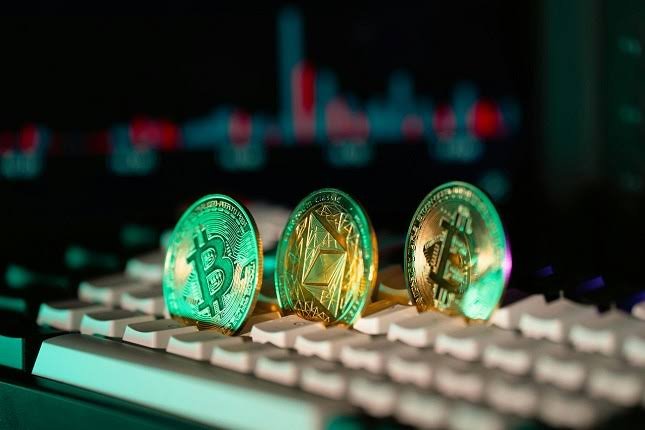

FTAsiaEconomy crypto trends describe Asia’s changing digital-asset market.
The real story involves regulation, stablecoins, tokenization, and practical adoption.
Important clarification: FTAsiaEconomy is a financial-content website. “FTAsiaEconomy crypto trends” is not a cryptocurrency, exchange, or investment product. No verified evidence suggests that it issues an official token.
At a Glance
| Topic | Current picture |
|---|---|
| Main focus | Cryptocurrency developments across Asia |
| Leading trend | Regulated digital-finance infrastructure |
| Adoption leaders | India, Pakistan, Vietnam |
| Fast-growing markets | Japan, Indonesia, South Korea |
| Major financial centers | Hong Kong and Singapore |
| Technologies to watch | Stablecoins, tokenization, blockchain settlement |
| Main risks | Scams, volatility, weak custody, regulatory differences |
| Investor takeaway | Verify platforms, licences, and primary sources |
| Official FTAsiaEconomy coin | None publicly verified |
What Does “FTAsiaEconomy Crypto Trends” Mean?
The phrase mainly connects FTAsiaEconomy’s coverage with Asian cryptocurrency developments. It covers Bitcoin, stablecoins, blockchain projects, and financial regulation. However, it should not be treated as a market index.
FTAsiaEconomy has published content about Asia’s digital economy. Its coverage discusses online money, crypto adoption, and financial technology. Still, readers should separate editorial commentary from regulated financial research.
The keyword can cause confusion. Some readers may assume it names a trading platform. Others may interpret it as a cryptocurrency project. The website provides no clear evidence of an official FTAsiaEconomy token.
Therefore, readers should avoid similarly named coins or applications. A familiar keyword does not prove ownership, licensing, or legitimacy.
The New Story: Asia Has Two Crypto Economies
Asia does not have one unified cryptocurrency market. Instead, two distinct systems are developing simultaneously.
The first is a grassroots market. Individuals use crypto for trading, savings, remittances, and dollar access. India, Pakistan, and Vietnam ranked prominently in the Chainalysis 2025 Global Crypto Adoption Index.
The second is an institutional market. Banks and regulators are testing tokenized deposits, funds, and settlement systems. Hong Kong and Singapore lead much of this regulated experimentation.
This creates a useful original framework:
| Crypto economy | Primary users | Main purpose | Leading examples |
|---|---|---|---|
| Grassroots adoption | Individuals and small businesses | Trading, savings, transfers | India, Pakistan, Vietnam |
| Institutional adoption | Banks, funds, regulated platforms | Settlement, custody, tokenization | Hong Kong, Singapore |
| Exchange-driven activity | Active retail traders | Buying and selling tokens | South Korea, Japan |
| Utility-based adoption | Migrants and digital workers | Remittances and payments | Southeast and South Asia |
This two-speed structure explains Asia better than price forecasts. Retail demand supplies activity. Financial institutions provide regulated infrastructure.
Five Crypto Trends That Actually Matter
1. APAC Adoption Is Still Expanding
Asia-Pacific remained a major grassroots cryptocurrency region during 2025. India, Pakistan, and Vietnam led adoption across centralized and decentralized services, according to Chainalysis.
Japan recorded especially strong momentum. Its received on-chain value increased 120% during the twelve months ending June 2025. Indonesia grew 103%, South Korea 100%, and India 99%, according to Chainalysis’ APAC analysis.
These figures measure on-chain activity, not investor profits. Growth can include transfers, trading, institutional movements, and decentralized-finance use.
2. Stablecoins Are Becoming Financial Infrastructure
Stablecoins aim to maintain value against currencies or other assets. In Asia, their future increasingly depends on licences and reserve controls.
Hong Kong’s Stablecoins Ordinance took effect on August 1, 2025. Issuers of specified fiat-referenced stablecoins require authorization under the HKMA regulatory regime.
That change matters more than another speculative token launch. Regulated stablecoins could support payments, trading settlement, and tokenized financial products. However, regulation does not eliminate technical or market risks.
3. Tokenization Is Moving Beyond Crypto Trading
Tokenization converts ownership rights into blockchain-based digital records. The underlying asset may include bonds, deposits, funds, or other financial instruments.
Singapore’s Project Guardian develops frameworks for institutional asset tokenization. Its work focuses on usable financial networks, standards, and interoperable infrastructure.
This trend differs from meme-coin speculation. Tokenized assets may remain connected to identifiable issuers and regulated markets. Consequently, blockchain technology can expand without every project becoming a public cryptocurrency.
4. Hong Kong Is Building a Regulated Market
Hong Kong’s strategy combines market access with stronger safeguards. Its Securities and Futures Commission created a five-pillar roadmap covering access, safeguards, products, infrastructure, and relationships.
The roadmap includes twelve initiatives. These address compliance, product development, infrastructure, and links with traditional finance. Full details appear in the SFC’s A-S-P-I-Re roadmap.
The important shift involves market design. Policymakers are no longer discussing only whether crypto should exist. They are defining who may provide custody, trading, advisory, and issuance services.
5. Financial Crime Remains a Serious Threat
Greater adoption also creates more opportunities for fraud and laundering. Blockchain records can improve tracing, but criminals constantly change their methods.
Chainalysis estimated that Chinese-language money-laundering networks processed $16.1 billion during 2025. The figure concerned identified laundering-service inflows, not all Asian cryptocurrency transactions. The detailed methodology appears in its 2026 crypto money-laundering research.
Readers should avoid blaming entire markets or communities. The finding instead shows why platforms need monitoring, customer checks, and strong withdrawal controls.
A Practical Trend-Verification Scorecard
Many crypto articles mix confirmed developments with promotional claims. Readers can apply this simple test before trusting them:
| Verification question | Strong evidence | Warning sign |
|---|---|---|
| Is the platform licensed? | Regulator’s official register | Logo or unsupported licence claim |
| Is the token documented? | Contract address and audited code | Name without verifiable ownership |
| Are funds protected? | Clear custody and reserve disclosures | Guaranteed returns |
| Is the data measurable? | Defined period and methodology | “Experts predict huge growth” |
| Is the source independent? | Regulator or transparent research | Anonymous promotional article |
| Can users withdraw? | Published rules and tested process | Extra payments before withdrawal |
This scorecard offers more value than a simple coin list. It helps readers judge new claims independently.
What FTAsiaEconomy Readers Should Watch Next
Price predictions provide attention but limited certainty. Market structure offers better long-term signals. Readers should monitor four measurable developments:
- Stablecoin licences granted by financial regulators.
- Tokenized products reaching real settlement volumes.
- Exchange rules covering custody and customer assets.
- Growth separated into retail and institutional activity.
Users should also check whether any “FTAsiaEconomy” investment product appears on an official regulatory register. The website’s name alone cannot validate a token, wallet, or exchange.
No reliable return forecast exists for the FTAsiaEconomy keyword. Likewise, an official token price, market capitalization, and founder-backed coin remain unconfirmed.
Risks Investors Should Not Ignore
Crypto markets remain volatile. A regulated service can reduce certain operational risks. It cannot guarantee profits or prevent falling prices.
Cross-border rules also differ sharply. A service permitted in one country may face restrictions elsewhere. Users should confirm local tax, trading, and consumer-protection requirements.
Before transferring money, check:
- The exact website address.
- The company’s legal identity.
- Its regulator and licence number.
- Withdrawal rules and custody arrangements.
- Independent security audits.
- Token contract details.
Screenshots and social-media endorsements provide weak evidence. Official registers and primary documents offer stronger verification.
Final Analysis
FTAsiaEconomy crypto trends are best understood as an editorial topic. They do not represent a verified cryptocurrency or market index.
Asia’s deeper trend is a two-part transformation. Grassroots users continue driving adoption across South and Southeast Asia. Meanwhile, Hong Kong and Singapore are building regulated digital-asset infrastructure.
Stablecoins, tokenized funds, and blockchain settlement deserve close attention. However, readers should judge each project through licences, transparent data, and real utility. That approach remains safer than following hype or unsupported price predictions.
Read more:Korina Harrison: The Private Story Behind Corey Harrison’s Former